The Crew
Four astronauts carrying experience, symbolism, and operational responsibility into deep space
The Artemis II crew has been assembled not only for what it represents, but for what it must accomplish. This is a test mission, and every member of the crew is there because the flight demands technical judgment, disciplined teamwork, and the ability to perform under conditions that are both historic and exacting. At the same time, the Artemis 2 crew tells a broader story about who is seen in deep-space exploration now, and how the meaning of a lunar mission has changed since the Apollo era.
A crew built for a proving flight
Artemis II is not a ceremonial lap around the Moon. It is a mission designed to test a spacecraft, validate procedures, and build the confidence required for later lunar operations. That makes crew composition especially important. NASA and its partners did not simply need astronauts with impressive résumés; they needed a team whose experiences overlap in useful ways while still covering different strengths. Military aviation, engineering, long-duration orbital flight, mission control experience, remote-environment work, and operational leadership all show up in this crew for a reason.
Seen together, the four astronauts form a team that balances familiarity with novelty. Some members have significant spaceflight experience, while one will make a first trip to space on a mission of extraordinary visibility. Some bring major leadership backgrounds inside NASA; others embody the international and generational dimensions of the Artemis era. The result is a crew that can be read on two levels at once. Operationally, it is a serious team assembled for a difficult task. Publicly, it is also a statement about the kind of lunar exploration program Artemis aims to be.
Reid Wiseman — Commander
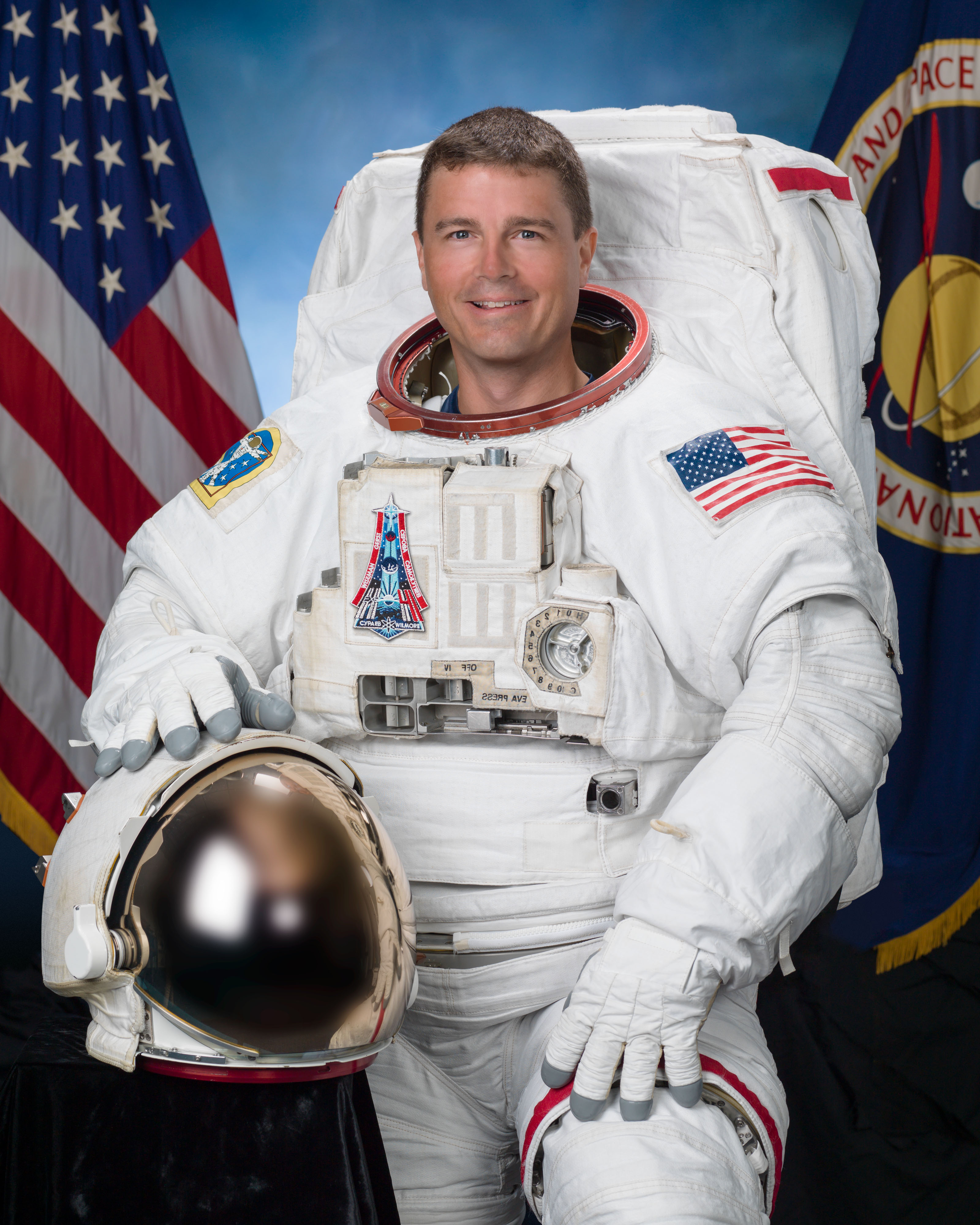
G. Reid Wiseman brings to Artemis II the kind of experience that makes a commander legible to both specialists and the public. Before his selection as a NASA astronaut in 2009, he served as a naval aviator and test pilot, professions built around disciplined judgment, procedural precision, and the ability to stay calm while systems are doing demanding things in unforgiving environments. Those traits matter on any space mission, but they matter especially on a crewed test flight that is meant to validate hardware, procedures, and teamwork in deep space rather than simply repeat familiar operations.
Wiseman is not new to orbital flight. During Expedition 41 aboard the International Space Station, he spent 165 days in space and conducted spacewalks that added practical operational experience to his aviation and leadership background. He also later served as Chief of the Astronaut Office, a role that placed him close to the center of astronaut training, crew assignment, and mission preparation. That combination of flight experience and institutional leadership gives him unusual depth as the person responsible for guiding Artemis II through both its technical objectives and its human dynamics.
As commander, Wiseman’s role is not simply symbolic. Artemis II will require a crew leader who can manage the cadence of a demanding mission: launch, Earth-orbit demonstrations, translunar injection, deep-space operations, the lunar flyby, and reentry preparation. His public framing of the job is strikingly direct. He speaks about caring for the crew, caring for Orion, getting around the Moon, and getting home safely. That plainness suits the mission. Artemis II is historic, but it is also operational. Wiseman embodies the professional seriousness needed to keep those two truths in balance.
“My role as commander on this mission is simply to take care of my crew, take care of this Orion spacecraft, get us around the Moon, and get us safely back to planet Earth.”
Victor Glover — Pilot
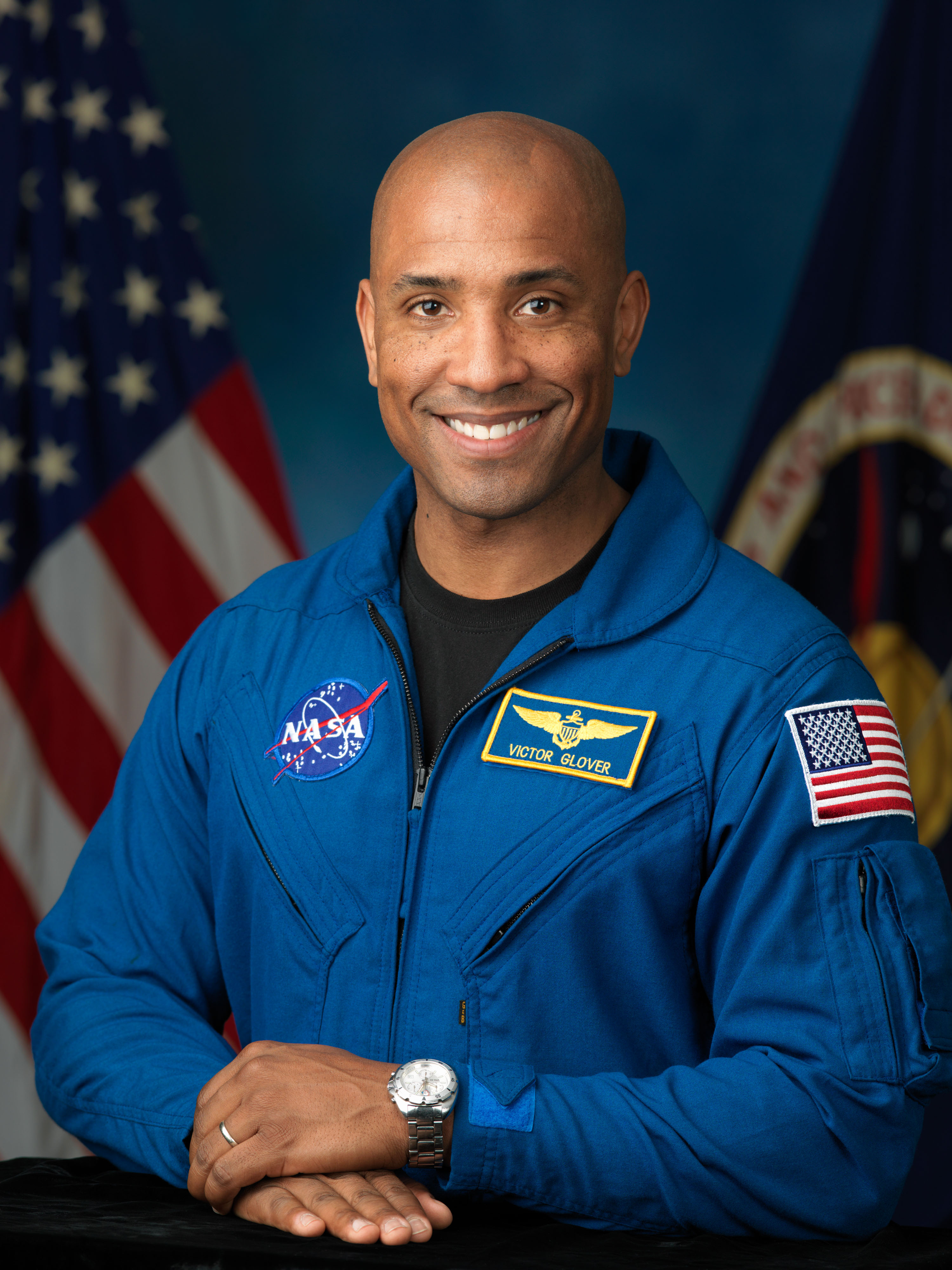
Victor Glover arrives at Artemis II with one of the strongest combinations of military aviation, engineering education, and recent spaceflight experience on the crew. A U.S. Navy captain, naval aviator, and test pilot, he was selected as a NASA astronaut in 2013 and later flew as pilot on SpaceX Crew-1 to the International Space Station. That mission gave him long-duration spaceflight experience, exposure to modern spacecraft operations, and a direct understanding of how a tightly coordinated crew functions in orbit over an extended period.
Glover’s place on Artemis II also carries major historical significance. He is the first Black astronaut assigned to a lunar mission, a milestone that immediately widened the meaning of the flight in the public imagination. It would be easy to reduce that importance to symbolism alone, but that would miss the deeper point. Glover is on the mission because he is highly qualified for it; the historical dimension matters because it changes who gets seen in the story of deep-space exploration without compromising the seriousness of the assignment. In that sense, his presence speaks both to excellence and to a broader conception of who such missions belong to.
As pilot, Glover will help oversee spacecraft systems and support the commander through the mission’s critical phases. His quote about exploration being core to human identity captures one of the philosophical threads that runs through Artemis itself. NASA presents the program as a practical step toward sustained lunar operations, but it also depends on the older, harder-to-quantify argument that exploration is part of how societies learn, imagine, and define themselves. Glover gives that argument a grounded voice. He speaks about exploration not as abstraction, but as a human habit that demands preparation, courage, and follow-through.
“Pushing ourselves to explore is just core to who we are. That’s a part of being a human.”
Christina Koch — Mission Specialist
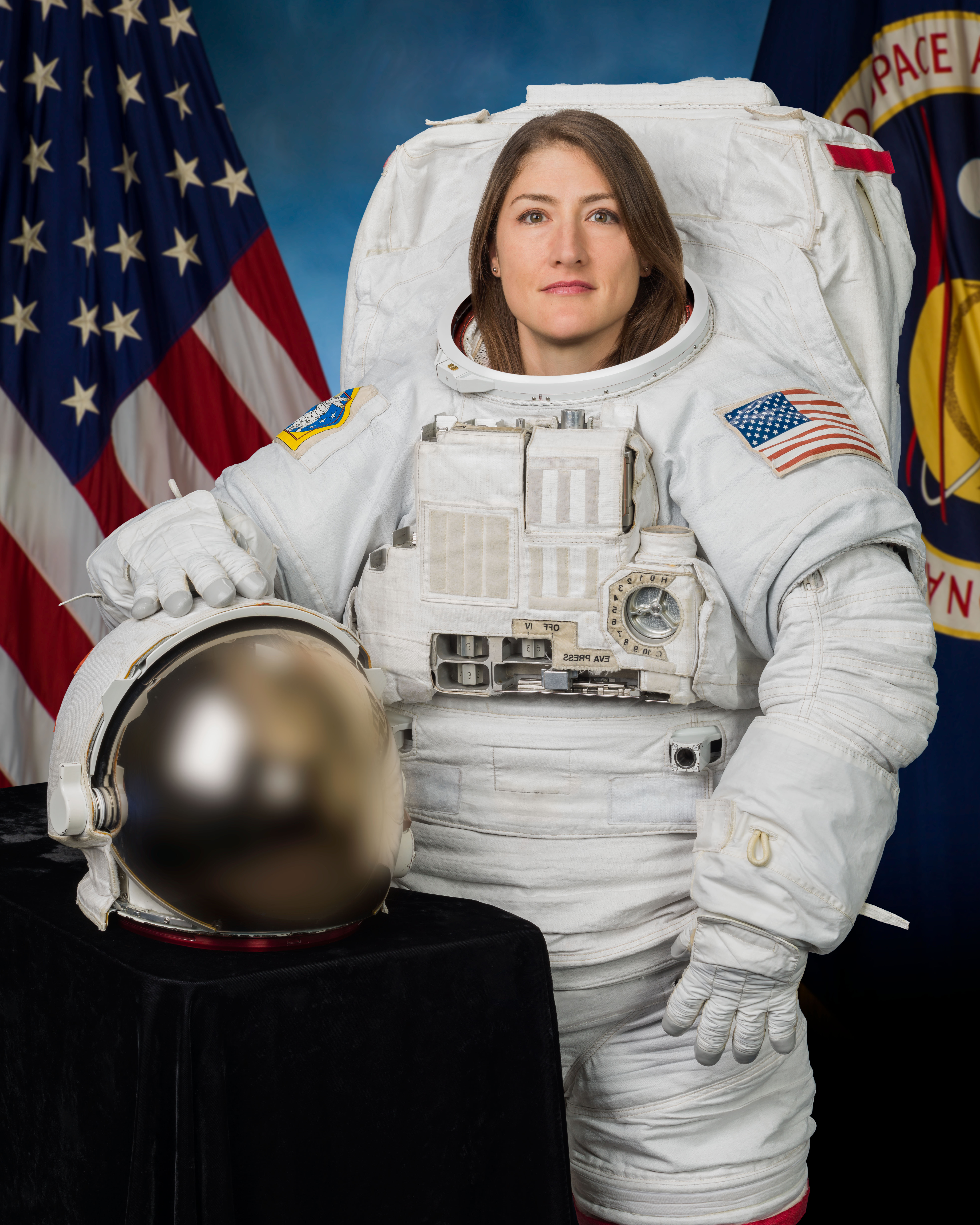
Christina Koch is one of the most technically and symbolically significant members of the Artemis II crew. Before becoming a NASA astronaut, she worked as an engineer on space science instrumentation and developed a reputation for operating effectively in extreme and remote environments, including work in Antarctica and Greenland. That kind of field experience is not identical to spaceflight, but it reflects a mindset highly relevant to exploration missions: self-sufficiency, systems awareness, and an ability to function where logistics are complex and mistakes are expensive.
Her long-duration mission aboard the International Space Station made her globally known. Koch spent 328 consecutive days in space, setting what was then the record for the longest single spaceflight by a woman, and she also took part in the first all-female spacewalks. Those achievements established her public profile, but the deeper relevance to Artemis II lies in endurance, operational maturity, and scientific seriousness. A crewed lunar mission demands astronauts who can handle confinement, changing timelines, procedural rigor, and the psychological texture of high-consequence work far from home.
Koch will become the first woman assigned to a lunar mission, and that fact alone guarantees that her role in public memory will be large. But the site should present her as more than a milestone. Her quote about learning certain truths only by going to certain places offers a concise philosophy of exploration. It frames travel into deep space not as spectacle, but as method. Artemis II is meant to test a spacecraft, but it also reopens the possibility that people can once again go to places from which entirely different forms of knowledge become possible. Koch gives that idea intellectual force.
“There are things about our universe we can only learn if we go to certain places. Only those places can tell us those things about the universe.”
Jeremy Hansen — Mission Specialist
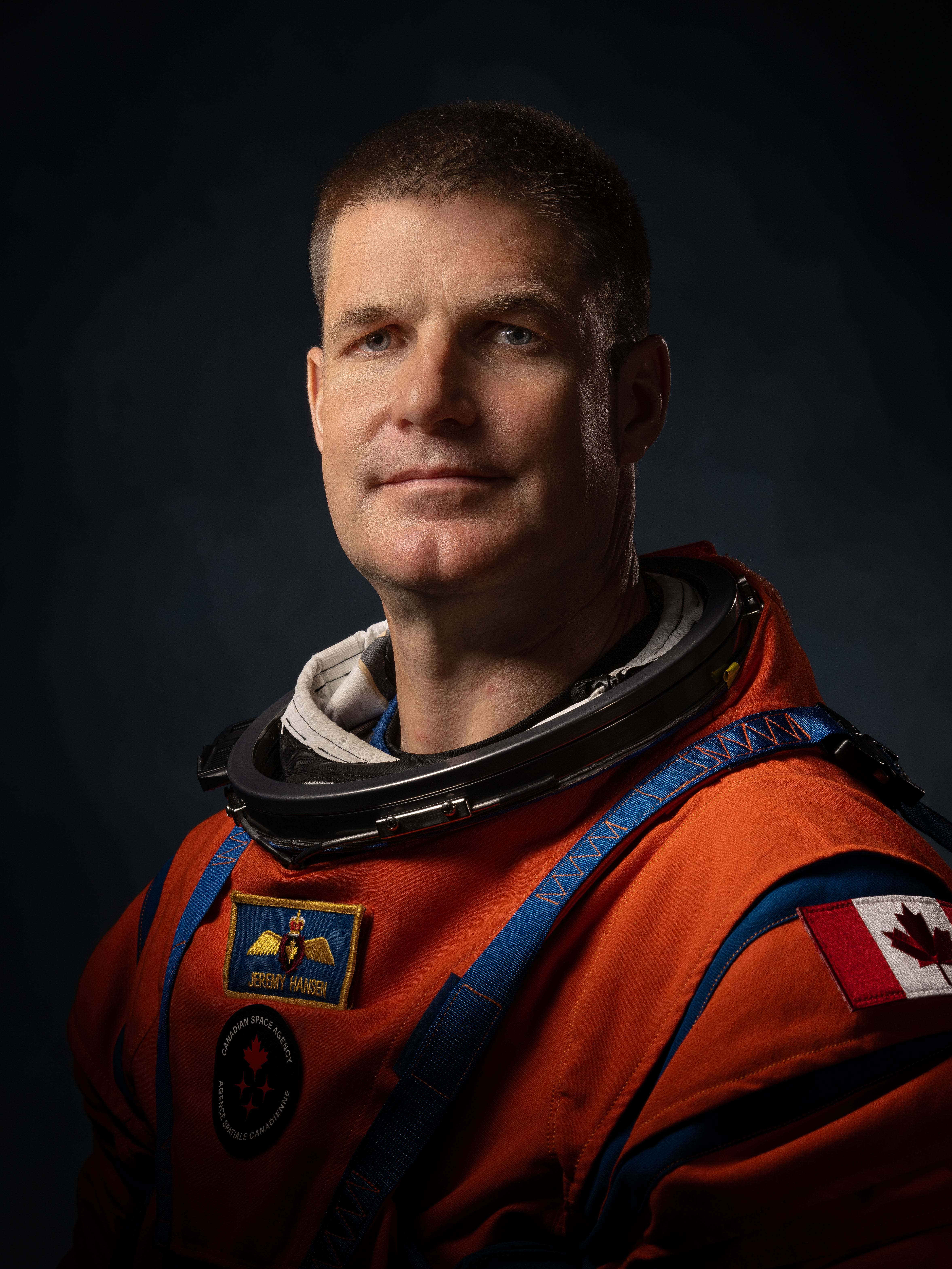
Jeremy Hansen’s inclusion in Artemis II makes the mission more fully international in both practical and symbolic terms. A Canadian Space Agency astronaut, former Royal Canadian Air Force fighter pilot, and military officer with a background in space science and physics, Hansen brings to the crew the same blend of technical fluency and disciplined operational culture that marks the other astronauts. Artemis is often described as a partner-driven program rather than a purely national effort, and Hansen’s presence makes that reality visible in the crew itself rather than only in institutional agreements.
Unlike Wiseman, Glover, and Koch, Hansen will make his first trip to space on Artemis II. That fact makes his assignment especially compelling. NASA and the CSA are entrusting a first-time spaceflier with one of the most visible and demanding missions of the modern era, which says a great deal about his preparation and the confidence placed in him. His prior work includes service as a capcom in mission control and participation in demanding exploration analog environments, experiences that helped prepare him for the complexity and collaborative demands of deep-space flight.
Hansen will also become the first Canadian to travel to the Moon, a national milestone that expands the scope of the mission’s legacy beyond the United States. His comparison of Artemis to Apollo is revealing. He does not present Artemis as a copy, but as a deliberate sibling: related in ambition, different in context, and meant to remind people that large-scale exploration still belongs within the realm of the possible. On a page devoted to the crew, Hansen helps make the case that Artemis II is not only about technical readiness. It is also about widening the circle of participation in humanity’s return to deep space.
“Artemis is the twin sister of Apollo. That’s intentional. It is to remind us that we’re going to go do great things.”
More than four biographies
What makes this crew compelling is not only the strength of its individual biographies, but the way those biographies interact. Wiseman offers tested command judgment. Glover brings recent spacecraft piloting and historic significance. Koch combines endurance, engineering depth, and a distinctive philosophical clarity about exploration. Hansen extends the mission’s meaning across national lines and into the cooperative structure that will define much of Artemis. Together they form a team that is easier to understand if one stops thinking in terms of celebrity and starts thinking in terms of mission architecture. Each person is part of the way the mission has been designed to work.
That team dimension matters because Artemis II will be judged not only by whether Orion completes its trajectory, but by whether the crew can demonstrate confidence, adaptability, and cohesion while operating far beyond low Earth orbit. The public will see a lunar mission. NASA will see thousands of procedures, interactions, and decision points. The crew page therefore has to hold both meanings together. These astronauts are individuals with remarkable histories, but they are also the human operating system for one of the most important test flights of the modern space age.