Artemis II uses modern systems, but its real significance comes from how differently the whole mission is organized
Comparisons between Artemis and Apollo often start with hardware, which makes sense. Both programs send crews toward the Moon, and both rely on capsules, mission control, and carefully staged flight profiles. But the more revealing comparison is not just which spacecraft has newer electronics. It is how the tools, interfaces, software, operational methods, and institutional structure of lunar flight have changed across more than half a century. Artemis II is not simply Apollo with upgraded parts. It reflects a different era of engineering, safety expectations, and international cooperation. If people are searching for Apollo vs Artemis technology or Orion vs Apollo spacecraft differences, this page is meant to answer that cleanly.
Why the technology comparison matters
Looking at Apollo and Artemis side by side helps clarify what Artemis II is actually testing. Apollo proved that human beings could reach the Moon with the tools available in the 1960s, which remains one of the most impressive engineering achievements in modern history. Artemis II operates from a very different baseline. Computing is radically more capable, software development is more mature, mission planning is more deeply modeled, and spacecraft interfaces are designed around a different understanding of human-machine interaction.
Yet the comparison is useful only if it avoids the lazy conclusion that newer automatically means more meaningful. Apollo’s systems were constrained, but they were also elegant, disciplined, and astonishingly effective within their limits. Artemis benefits from modern tools, but it also carries the weight of higher expectations, broader partnership structures, and a program architecture intended to support repeated missions rather than a single sprint to victory. The question is not which era built the more impressive gadget. It is how each era designed technology around the kind of lunar program it was trying to achieve.
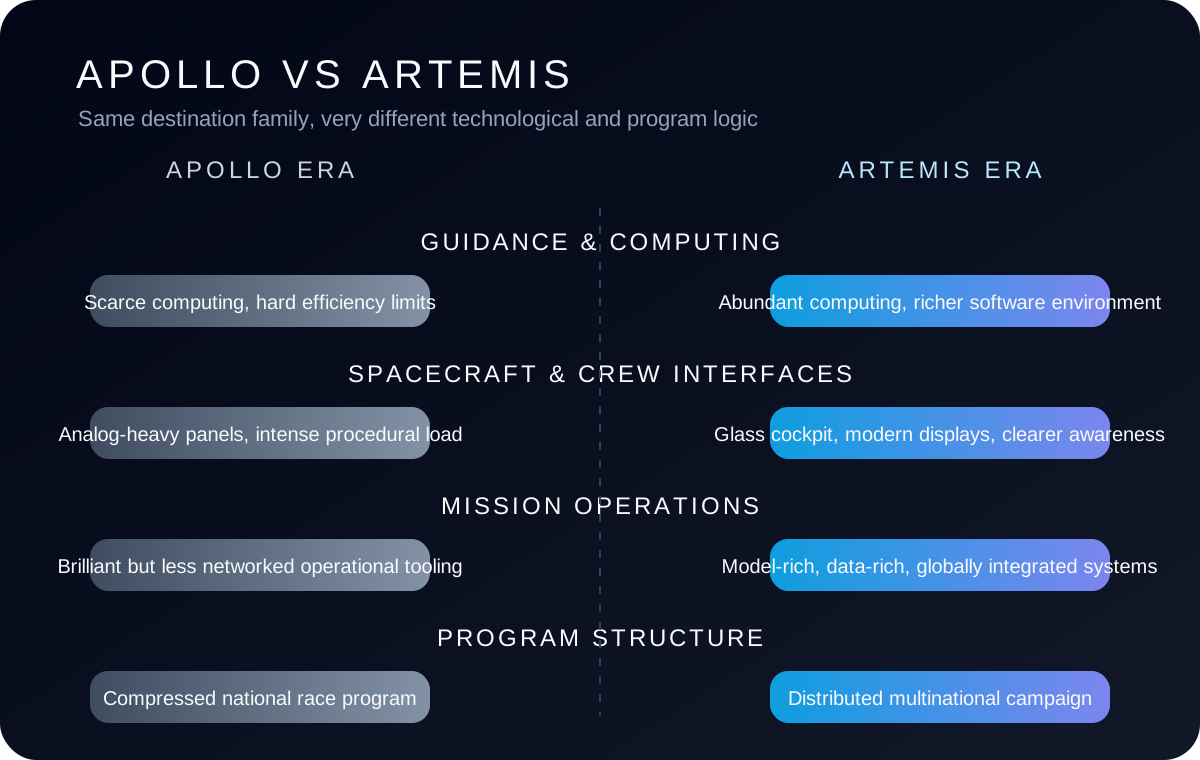
Comparison map
Apollo and Artemis side by side
Guidance and computing
Apollo era
Apollo flew with computers that were astonishing for their time but tiny by modern standards. The Apollo Guidance Computer worked with extremely limited memory and processing power, forcing software and operations teams to be ruthless about efficiency.
Artemis era
Artemis II’s Orion spacecraft benefits from decades of advances in computing, fault tolerance, software tooling, and digital displays. The gain is not just raw speed, but flexibility, better situational awareness, and easier integration with modern mission operations.
Spacecraft design
Apollo era
Apollo’s command and service modules were optimized for a sprint-era lunar program with tight mass margins and mission designs shaped by Cold War urgency.
Artemis era
Orion is built for a different philosophy. It is still a crew capsule for deep space, but it sits inside a broader long-term architecture and is designed around modern safety expectations, updated avionics, and partnership with the European-built service module.
Crew interfaces
Apollo era
Apollo crews worked with dense panels of switches, dials, and indicator lights that demanded memorization, procedural discipline, and highly trained interpretation under pressure.
Artemis era
Orion uses glass cockpit displays and more contemporary interface design. That does not make the mission easy, but it changes how information is presented and how crew situational awareness is maintained during demanding phases of flight.
Mission operations
Apollo era
Apollo mission control operated brilliantly, but with far less digital infrastructure, automation support, simulation tooling, and global data integration than teams can rely on now.
Artemis era
Artemis mission operations are shaped by modern software, modeling, communications networks, and integrated engineering pipelines. The result is a more networked and data-rich way of managing risk, planning contingencies, and refining decisions.
Program structure
Apollo era
Apollo was a concentrated national project aimed at reaching the Moon quickly and decisively. It was spectacularly effective, but it was not designed as a sustained multinational campaign.
Artemis era
Artemis is slower, more distributed, and more explicitly international. It ties together NASA, ESA, CSA, commercial contractors, lunar lander planning, Gateway ambitions, and a longer horizon of repeated lunar activity.
Computing changed the spacecraft, but also the way people think about risk
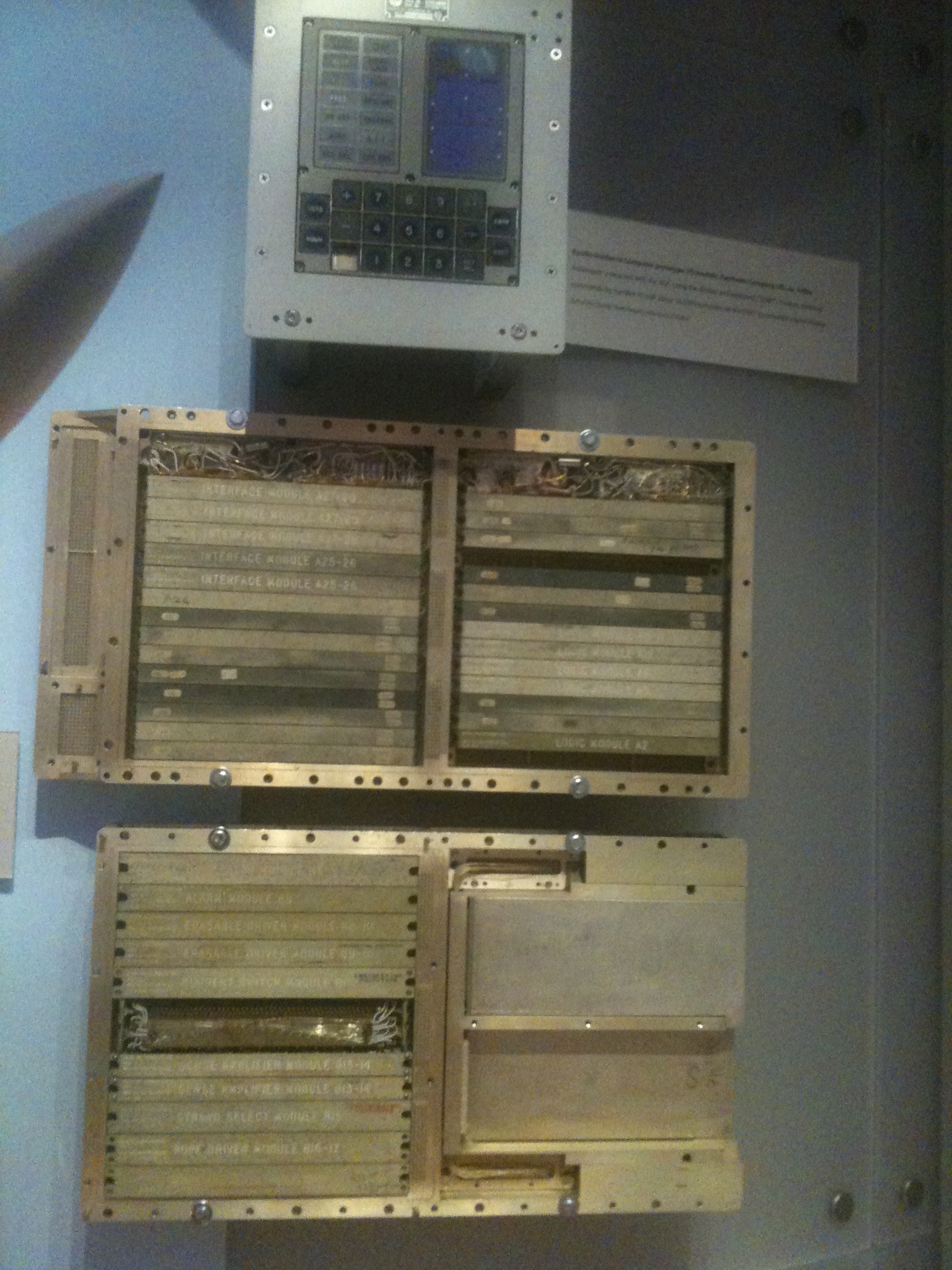
The most obvious difference between Apollo and Artemis is computing power. Apollo crews flew with systems so limited by modern standards that every byte of memory and every line of code had to justify itself. That scarcity created a style of engineering that prized efficiency, procedural clarity, and intense discipline between software, hardware, and crew operations. Apollo’s success was not evidence that limited computing was ideal; it was evidence that extraordinary rigor can compensate for severe constraints.
Apollo’s computing story was inseparable from the Guidance Computer and its DSKY interface — a reminder of how much the era accomplished with extremely constrained hardware. Source:Wikimedia Commons
Artemis II benefits from a completely different landscape. Orion’s computers, displays, and software environment allow richer information handling, better fault management, and more flexible system integration. But the deeper shift is not just computational abundance. It is that modern missions are expected to model, test, and monitor risk in far more layered ways. Digital tools enable more simulation, more diagnostic data, and more opportunities to refine operations before and during flight. Artemis does not escape uncertainty, but it confronts that uncertainty with a different toolkit and a different institutional attitude toward safety.
Crew experience is shaped by interface design as much as by propulsion
One of the most human differences between the two eras lies in the cockpit. Apollo crews worked through dense arrays of switches, lights, and controls that demanded memorization and highly trained interpretation. Those interfaces suited the hardware and mission logic of their time, but they also placed heavy cognitive demands on astronauts during already intense phases of flight.
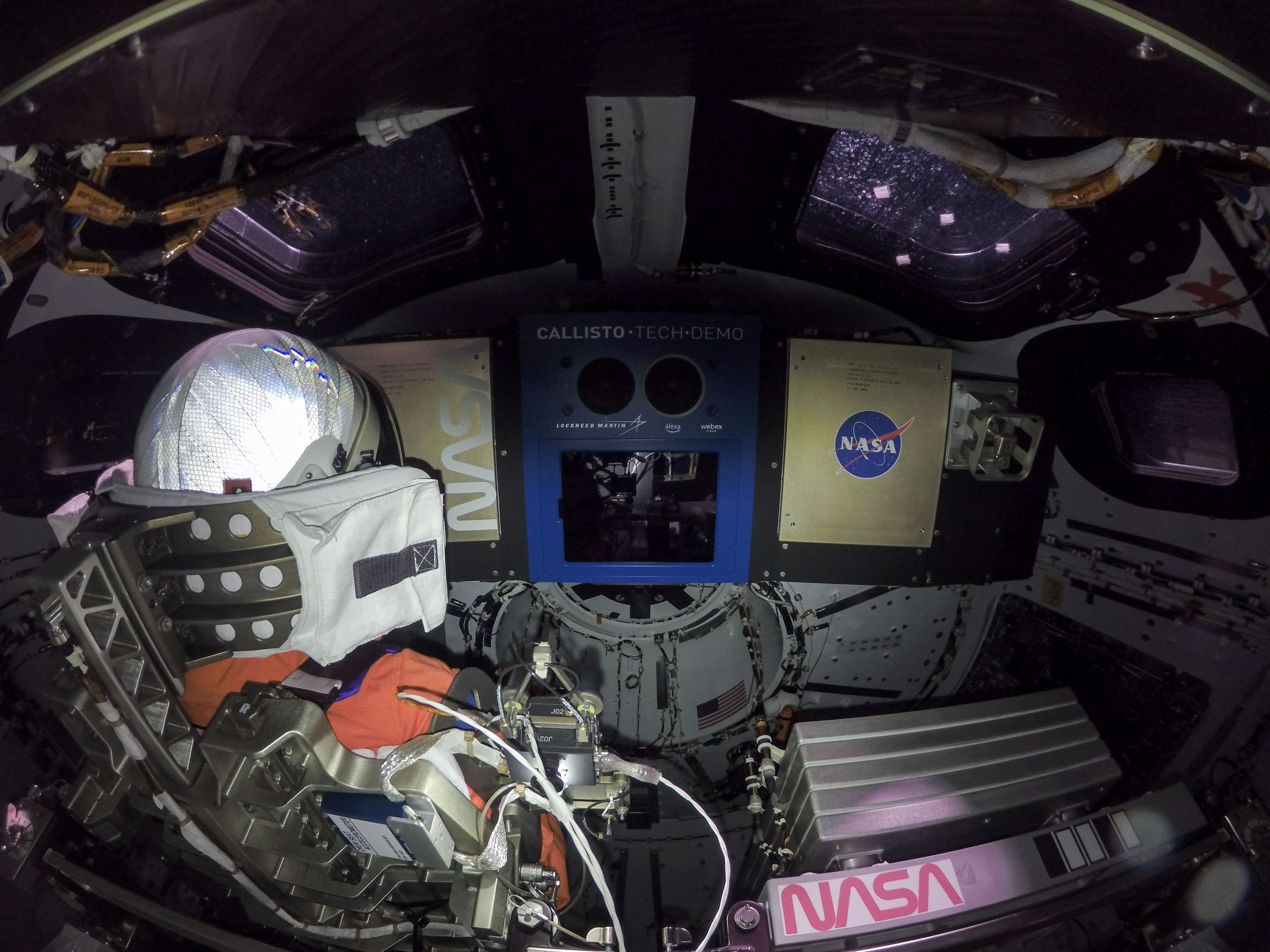
Orion’s crew environment reflects a different interface philosophy from Apollo: more display-driven, more legible, and built around modern situational awareness. Source:Wikimedia Commons
Orion’s glass cockpit represents a different philosophy. Information can be organized more dynamically, displays can present system state with greater clarity, and the crew’s interaction with the spacecraft is built around modern expectations of situational awareness. That does not make Artemis II simple. Lunar flight remains unforgiving. But it means the crew is supported by interface design that reflects decades of learning about how humans absorb information, prioritize decisions, and manage workload under pressure.
This matters because Artemis II is a crewed test mission. The spacecraft is not only being evaluated as a vehicle that can fly, but as a place where astronauts can work effectively across launch, deep-space cruise, lunar flyby, and reentry preparation. Technology is not only what moves the crew. It is also what helps the crew think.
Program architecture may be the biggest difference of all
The most consequential gap between Apollo and Artemis may not be any individual subsystem. It may be the fact that Apollo was a concentrated national project designed to achieve a clear geopolitical goal quickly, while Artemis is a distributed campaign built across agencies, contractors, and international partners. Orion itself reflects that structure through the European-built service module, and the Artemis II crew reflects it through Canadian participation.
That broader architecture changes what the technology is for. Apollo technology served a race. Artemis technology is meant to support recurrence: more missions, more partner integration, and a wider exploration agenda that stretches from lunar flybys to surface operations and beyond. That slower, more networked structure can look less dramatic from the outside, but it may prove more durable if it works as intended.
In that sense, Artemis II is not just a test of hardware. It is a test of whether a modern, multinational exploration system can operate coherently when real astronauts are on board and the mission moves beyond Earth orbit. The technology comparison matters because it shows that Artemis is trying to prove more than a capsule. It is trying to prove an entire way of doing lunar exploration.